How to Build the Vocabulary Needed for Strands
NYT Strands is one of the most vocabulary-demanding word puzzles around, often featuring theme words that go well beyond everyday language. This post shares practical strategies to improve Strands vocabulary, from daily reading habits and word-a-day apps to learning from past puzzles and using context clues. Whether you're a beginner or a seasoned solver, these NYT Strands vocabulary tips will help you find words faster and spot the spangram with confidence.
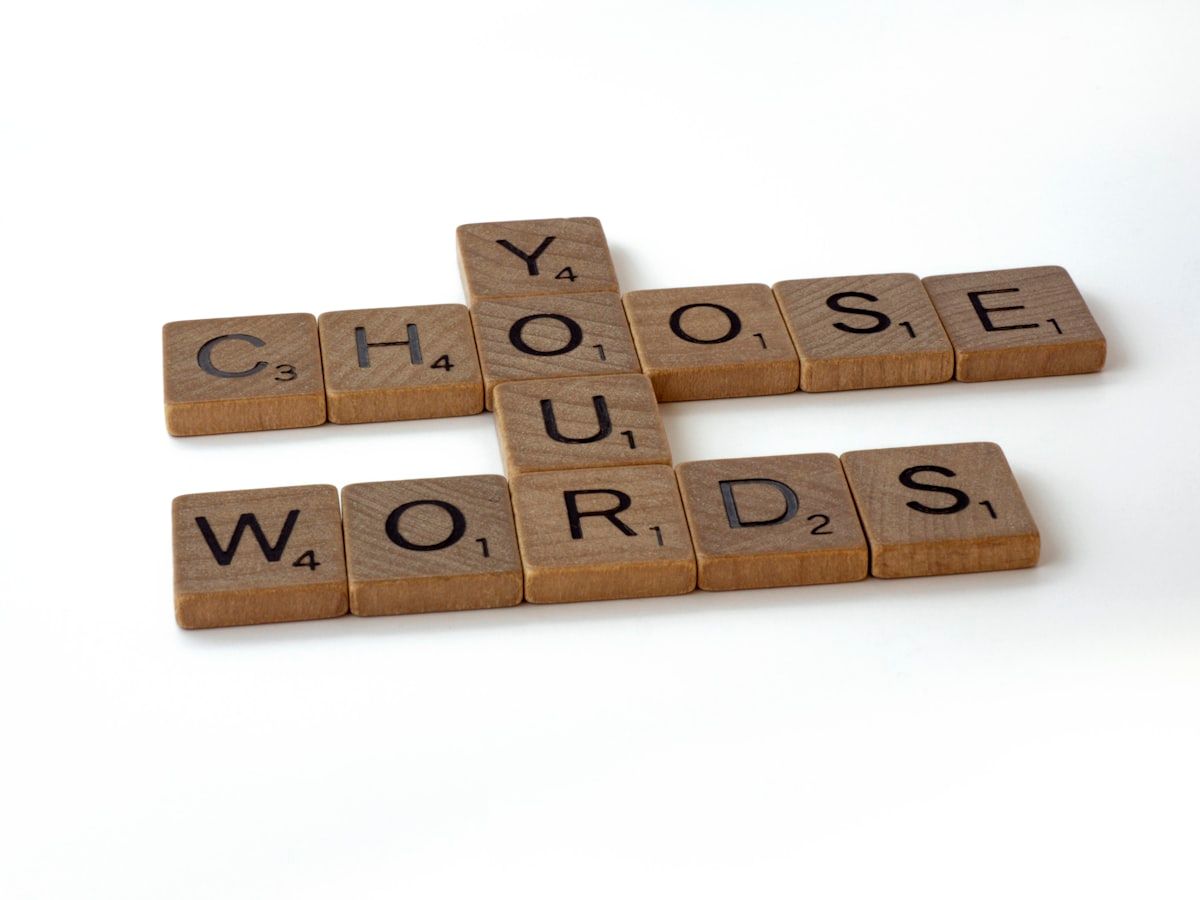
If you've ever stared at a Strands grid and felt stumped by a word you've never seen before, you're not alone. NYT Strands is a uniquely challenging puzzle that rewards players who bring a rich and varied vocabulary to the table. Unlike simpler word searches, Strands asks you to find thematically connected words — and those words can be surprisingly obscure. The good news is that you can actively improve Strands vocabulary with the right habits and tools. This guide walks you through everything you need to know.
Why Vocabulary Matters in Strands
Strands isn't just about finding any word hidden in a grid — it's about finding the right words that all connect to a central theme. That distinction makes Strands word knowledge far more important than raw pattern recognition.
In a typical word search, you're hunting for a pre-listed word. In Strands, you have to generate the candidate words yourself, guided only by a theme title. If a word falls outside your vocabulary, you simply won't think to look for it — even if the letters are right in front of you.
Theme words in Strands can come from niche domains: obscure animal species, regional food names, archaic idioms, or deep-cut pop culture references. The puzzle designers deliberately choose words that are real and meaningful but not necessarily common. That's what makes expanding your vocabulary for Strands one of the highest-leverage things you can do as a solver.
Types of Vocabulary That Appear Most in Strands
Understanding which vocabulary categories show up most often helps you focus your study time. Here are the domains that appear with the greatest frequency.
Animals and Nature
Strands frequently features animal-themed puzzles — and not just dogs and cats. Expect obscure species names, collective nouns (a murder of crows, a parliament of owls), and terms from biology and ecology. Brushing up on wildlife vocabulary pays dividends.
Geography and Place Names
Country capitals, U.S. state nicknames, world rivers, mountain ranges, and regional demonyms all appear regularly. A puzzle themed around "European capitals" or "island nations" can stump solvers who haven't kept up with geography.
Food and Cuisine
Culinary vocabulary is a Strands staple. Dishes from global cuisines, cooking techniques, and ingredient names — especially those borrowed from other languages — show up often. Think ratatouille, gnocchi, chimichurri, or mirepoix.
Pop Culture and Entertainment
Movie titles, TV show characters, musical genres, and slang terms from specific eras all make appearances. Pop culture vocabulary is broad and fast-moving, so staying culturally curious helps.
Idioms and Figurative Language
Some of the trickiest Strands puzzles are built around idioms or phrases. Words like gumption, skedaddle, or kerfuffle might anchor a theme about old-fashioned expressions. Reading widely — especially older literature — builds this kind of vocabulary naturally.
Daily Habits to Expand Your Vocabulary
Building vocabulary for word puzzles doesn't require hours of study. Small, consistent habits compound over time into a dramatically larger word bank.
- Read broadly and regularly. Fiction, non-fiction, long-form journalism, and essays all expose you to words in context — the most effective way to retain new vocabulary. Aim for at least 20–30 minutes of reading per day.
- Use a word-a-day app or newsletter. Apps like Merriam-Webster Word of the Day or the A.Word.A.Day email newsletter introduce one new word daily with etymology and usage examples. Over a year, that's 365 new words.
- Play other word games. The NYT Spelling Bee, Wordle, and crossword puzzles all reinforce vocabulary in different ways. Crosswords in particular are excellent for building the kind of lateral, theme-based word associations that Strands demands.
- Keep a vocabulary journal. When you encounter an unfamiliar word — in a book, article, or puzzle — write it down with its definition and a sample sentence. Reviewing your journal weekly cements retention.
- Watch documentaries and educational content. Nature documentaries, cooking shows, and travel programs expose you to specialized vocabulary in a memorable, visual context.
How to Learn from Past Strands Puzzles
One of the most underused strategies for improving at Strands is systematically reviewing puzzles you've already solved. This is where NYT Strands vocabulary tips get really practical.
After completing a puzzle — or even after giving up on one — go back and look at every word in the solution. For any word you didn't immediately recognize, look it up. Read the definition, note the category it belongs to, and try to use it in a sentence.
Over time, you'll notice patterns in the types of words that stump you. Maybe you consistently miss food-related terms, or geography words always trip you up. Once you identify your weak spots, you can target them directly with focused reading or study.
Keeping a simple log of "words I didn't know" from each puzzle creates a personalized vocabulary list that's far more relevant than any generic word list.
Using Context Clues from the Theme Title
Every Strands puzzle opens with a theme title — a short phrase that hints at the category connecting all the hidden words. Learning to use this clue strategically can dramatically narrow the vocabulary space you need to search.
For example, if the theme is "Going Bananas," you might brainstorm words related to monkeys, tropical fruit, or expressions of excitement. If the theme is "On the Map," you'd shift your thinking toward geography and place names.
This top-down approach — starting from the theme and generating candidate words before scanning the grid — is far more efficient than bottom-up letter hunting. The broader your vocabulary, the more candidates you can generate, and the faster you'll find the right ones.
Practice this by reading the theme title, closing your eyes, and listing every word you can think of that fits. Then open the grid and look for your candidates. This habit sharpens both your vocabulary recall and your thematic reasoning.
Recommended Free Vocabulary Tools and Apps
You don't need to spend money to build a stronger word bank. These free tools are excellent for anyone looking to expand vocabulary for Strands:
- Merriam-Webster (merriam-webster.com): The gold standard for definitions, etymology, and Word of the Day. The app is free and well-designed.
- Vocabulary.com: Uses adaptive quizzing to teach words in context. It tracks your progress and focuses on words you struggle with most.
- NYT Spelling Bee: A daily puzzle that challenges you to make words from seven letters. It's excellent for building awareness of uncommon but valid English words.
- Crossword apps (NYT Crossword, Across Lite): Daily crosswords expose you to a huge range of vocabulary across every domain, with clues that teach meaning through wordplay.
- Anki (flashcard app): Create your own vocabulary decks from words you've encountered in Strands puzzles. Spaced repetition makes retention highly efficient.
- Wikipedia's "Random Article" feature: Clicking "Random article" daily exposes you to niche topics and specialized vocabulary you'd never seek out on your own.
How a Broader Vocabulary Helps You Spot the Spangram Faster
Every Strands puzzle contains a spangram — a special word or phrase that spans the entire board from one side to the other and encapsulates the puzzle's theme. Finding the spangram is often the key to unlocking the rest of the puzzle.
The spangram is typically a thematic phrase or compound word that's slightly more abstract than the other answers. It might be a well-known idiom, a cultural reference, or a descriptive phrase. Because it spans the full grid, it's longer than most answers — and because it's thematic, it requires you to think at a higher conceptual level.
A broader vocabulary helps you spot the spangram faster in two ways. First, you're more likely to recognize the phrase when you see the letters forming it. Second, you're better at generating thematic phrases from the theme title, which gives you a mental target to look for in the grid.
Solvers who consistently find the spangram early report that it acts as a scaffold — once you know the theme phrase, the individual words become much easier to locate. Investing in your vocabulary is, in effect, investing in your spangram speed.
Keep Building, Keep Solving
Improving your vocabulary for Strands is a long game, but every word you learn makes the next puzzle a little more approachable. The strategies in this guide — daily reading, word-a-day habits, reviewing past puzzles, using free tools, and practicing theme-based thinking — all compound over time.
Start small. Pick one habit from this list and commit to it for two weeks. You'll be surprised how quickly your Strands word knowledge grows, and how much more satisfying it feels to fill in a grid with confidence. The spangram won't know what hit it.